Lurente lab-grown diamonds · Independently graded
Light, grown with intent.
Hand-selected lab diamonds of exceptional colour and clarity, each accompanied by its full grading report. Physically, chemically and optically identical to mined diamond.
Loose stones, graded and ready to set.
Every cut, to order.
Don't see your shape in the collection? We source any of these to your carat, colour and clarity, with a video before you buy.
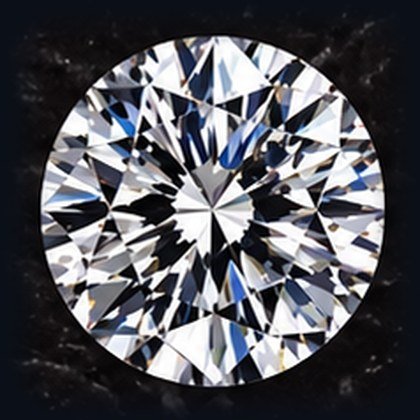
Round
The most brilliant cutL/W 1.00
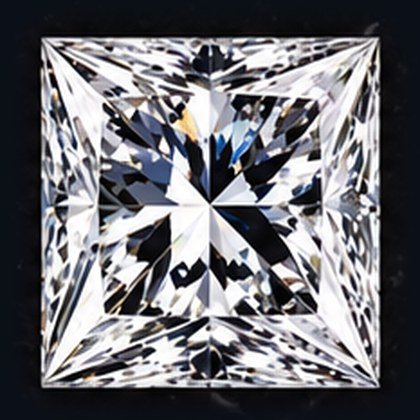
Princess
Crisp square brillianceL/W 1.00–1.05
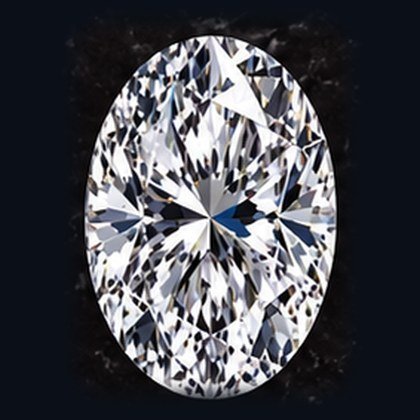
Oval
Looks larger per caratL/W 1.30–1.50
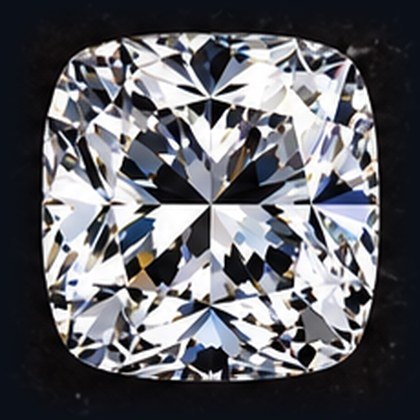
Cushion
Soft corners, big fireL/W 1.00–1.10
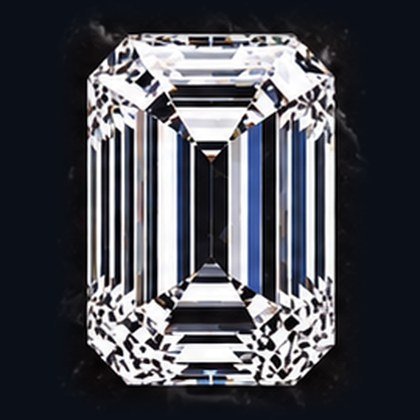
Emerald
Step-cut, hall-of-mirrorsL/W 1.30–1.50
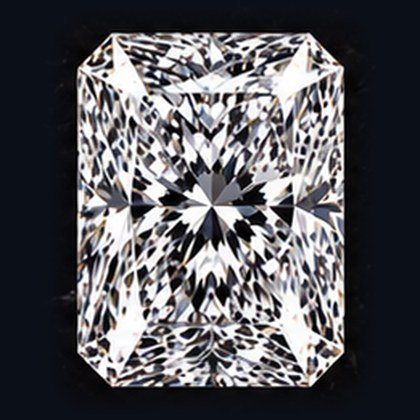
Radiant
Brilliance in a cut-corner frameL/W 1.00–1.35
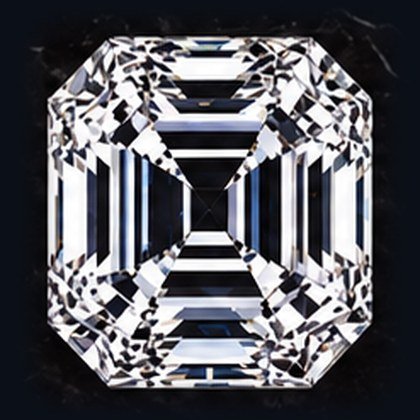
Asscher
Square step cut, art decoL/W 1.00–1.05
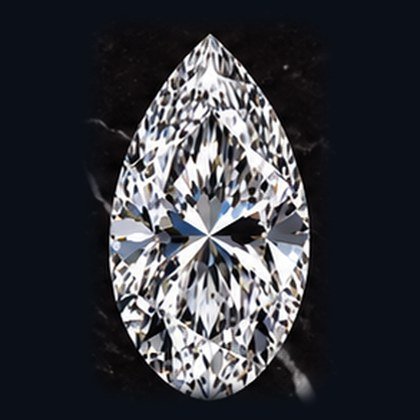
Pear
Teardrop, flatters the handL/W 1.45–1.75
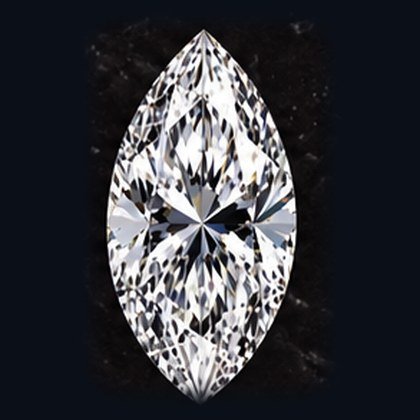
Marquise
Most face-up size per caratL/W 1.85–2.10
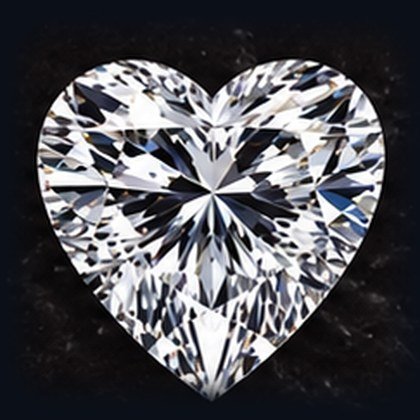
Heart
Best from 1 ct upwardL/W 0.90–1.10
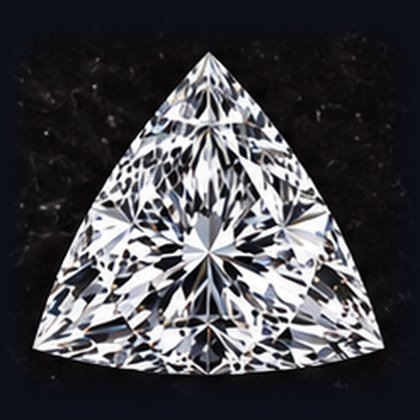
Trillion
Bold triangle, often a side stoneL/W 1.00
Carbon, pressure, patience.
Every Lurente diamond is grown from a diamond seed, by CVD or HPHT, over several weeks. The result is pure crystalline carbon with the same hardness (10 on the Mohs scale), refractive index (2.42) and fire as a diamond formed underground.
We buy fewer than one in twenty stones we inspect. What remains is cut for light first and weight second.
- Grow
Seeded and grown
A thin diamond plate grows layer by layer, atom by atom, under tightly controlled conditions.
- Cut
Cut for light return
Proportions are held to Ideal ranges: table 53–58%, depth 59–62.5% for round brilliants.
- Grade
Independently graded
Each stone is sent to IGI or GIA. The report number is laser-inscribed on the girdle.
- Select
Selected by eye
We review every stone under daylight-equivalent lamps and a 10× loupe before it enters the collection.
| Lurente lab diamond | Mined diamond | |
|---|---|---|
| Composition | Pure carbon, cubic crystal | Pure carbon, cubic crystal |
| Hardness | 10 Mohs | 10 Mohs |
| Grading | Same 4Cs, same laboratories | Same 4Cs, same laboratories |
| Origin | Fully traceable, single source | Varies by mine and supply chain |
| Value for size | A larger, finer stone for the budget | Priced for rarity |
Lab-grown diamonds, explained.
Are lab-grown diamonds real diamonds?
Yes. A lab-grown diamond is pure crystalline carbon with the same chemical, physical and optical properties as a mined diamond. It scores 10 on the Mohs hardness scale and has the same refractive index of 2.42.
How are Lurente diamonds graded?
Every stone is graded by an independent laboratory, IGI or GIA, using the same 4Cs (cut, colour, clarity and carat) used for mined diamonds. The report number is laser-inscribed on the girdle so you can match the stone to its certificate.
Can I see the diamond before I buy?
Yes. Request a video and we film your chosen stone in 4K under daylight-equivalent and grading lights, turning on a rotating stage so you can judge its brilliance and fire.
Which diamond shapes can you source?
Round, princess, oval, cushion, emerald, radiant, asscher, pear, marquise, heart and trillion, plus other shapes on request, in the carat, colour and clarity you want.
What is the difference between CVD and HPHT diamonds?
They are two ways of growing a diamond. CVD grows the crystal layer by layer from a carbon-rich gas; HPHT recreates the high pressure and temperature found deep underground. Both produce real diamond, and the grading report states which method was used.
See every facet on video.
Request a professional 4K video of any stone, filmed in our studio under daylight-equivalent and diamond-grading lights, turning on a rotating stage so you see its fire, brilliance and scintillation.
Videos are sent to your email, usually within one business day.
concierge@lurente.com
Press Send by email to open it in your mail app, or copy it and send it to concierge@lurente.com.